
Last Updated: October 25, 2026
Quick Summary
Blackout fabric blocks light effectively, but is blackout fabric good for heat reduction depends on fit and installation rather than the fabric alone. The real thermal benefit comes from creating an air pocket between the fabric and glass when fitted tightly to your window frame, trapping warm air in winter and blocking solar radiation in summer.
- Blackout fabric is primarily designed to block light, not provide thermal insulation, so light-blocking and heat-blocking are distinct properties.
- Thermal lining with reflective layers is more effective at reducing heat than standard blackout fabric because it reflects radiant heat.
- Proper fit and installation matter more than fabric quality; a premium fabric installed loosely underperforms a basic fabric installed perfectly.
- UV damage, moisture, dust accumulation, and mechanical wear reduce blackout fabric performance over time and require regular maintenance.
- Monthly dusting and quarterly damp cloth wiping restore light-blocking and heat-reduction ability.
Table of Contents
- What blackout fabric actually does for heat reduction
- Do blackout curtains reduce heat: the science and the limits
- Thermal lining vs blackout lining: which stops heat better
- Light or dark curtains for heat: does colour matter
- How fit and installation affect blackout fabric performance
- Blackout curtain lining care to maintain heat-blocking ability
- Choosing the right blackout blind for your home
- Frequently Asked Questions
What blackout fabric actually does for heat reduction
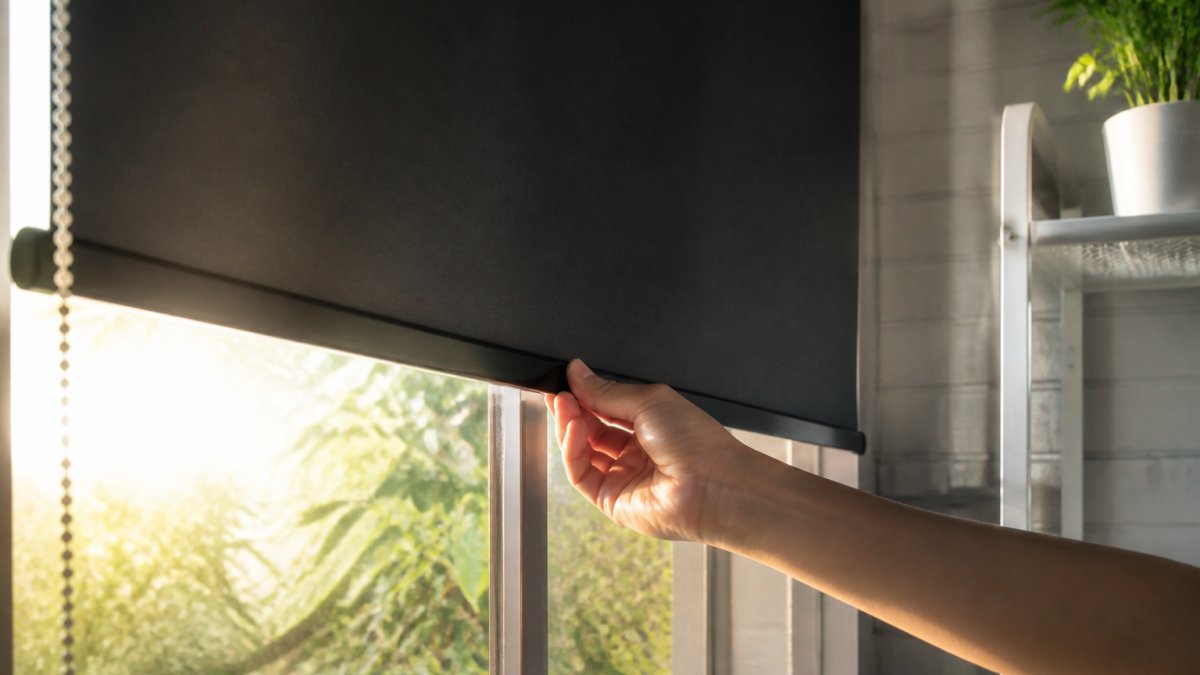
Blackout fabric blocks light effectively, but is blackout fabric good for heat reduction is a more complex question than many assume. Explore the thermal benefits of blackout blinds in depth to understand their heat-reduction capabilities. The distinction matters because light control and thermal performance are two separate properties.
Blackout fabric blocks light. Heat reduction, however, depends on whether the fabric absorbs or reflects thermal energy, and how well it seals against your window.
The real thermal benefit comes from creating an air pocket between the fabric and the glass. When blackout fabric is fitted tightly to your window frame with minimal gaps, it traps warm air in winter and blocks direct solar radiation in summer. Without proper fit, those benefits evaporate.
Just Blinds manufactures made-to-measure blackout blinds designed to fit your exact window dimensions.
Do blackout curtains reduce heat: the science and the limits
Blackout curtains block light.
The catch: when asking is blackout fabric good for heat reduction, remember that blackout fabric is primarily intended to block light, not provide thermal insulation. Many people assume "blackout" automatically means "thermal," but these are distinct properties.
Thermal lining vs blackout lining: which stops heat better
Blackout lining is a densely woven fabric designed to block light. It's typically dark (black, charcoal, or dark grey) to maximise light absorption and prevent light transmission. Blackout linings excel at creating total darkness but offer only incidental thermal benefits because light-blocking and heat-blocking are different problems. Selecting the right curtain fabric options requires balancing these light-blocking requirements against the natural thermal properties inherent in materials like linen or cotton.
Thermal lining is specifically engineered to reduce heat transfer. It's usually thicker and may include reflective layers or air-trapping fibres designed to insulate. Thermal linings often have a silver or metallic backing that reflects radiant heat, which is why they're sometimes called "thermal reflective" linings. This reflective property makes them more effective at reducing summer heat gain than standard blackout fabric.
Light or dark curtains for heat: does colour matter
Discover a dark blackout option that demonstrates the colour-based heat reduction discussed here to see how material choice affects both appearance and thermal performance.
How fit and installation affect blackout fabric performance
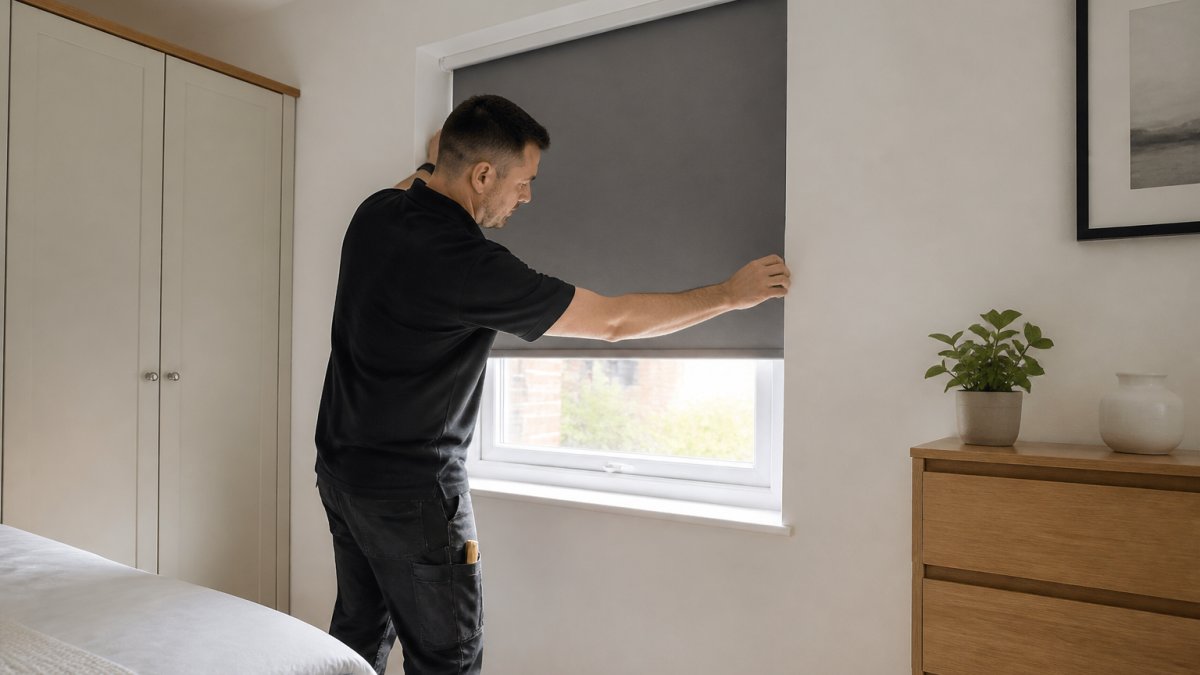
Fit and installation are where blackout fabric performance either succeeds or fails. A premium fabric installed loosely will underperform a basic fabric installed perfectly.
Proper installation means:
- Measuring your exact window dimensions and ordering made-to-measure blinds
Made-to-measure blinds are built to your exact specifications.
Learn proper installation techniques that don't require drilling, which is especially useful if you're renting or want to avoid permanent damage to your window frames.
Como Bare White Blackout Roller Blind | Made to Measure →
Blackout curtain lining care to maintain heat-blocking ability
The main threats are:
- UV damage: Sunlight that hits the fabric directly causes fading and weakens the fibres. This is ironic, the very light you're trying to block is slowly damaging the material. Rotating or occasionally turning your blinds can help distribute UV exposure.
- Moisture and mildew: Bathrooms and kitchens create humid environments where blackout fabric can develop mildew, especially if the blind is rarely opened. Mildew weakens fabric and creates odours.
- Dust and dirt accumulation: Dust on blackout fabric reduces light-blocking ability and can trap moisture. Regular cleaning restores performance.
- Mechanical wear: Frequent rolling, unrolling, or tilting (for vertical blinds) stresses seams and can cause the lining to separate from the main fabric.
Maintenance is simple:
- For PVC blackout blinds, use a soft, damp cloth to wipe the surface.
Just Blinds supplies made-to-measure blackout blinds. The Como Impact Grey option uses spongeable flatweave fabric.
| Maintenance Task | Frequency | Impact on Performance |
|---|---|---|
| Dust removal | Monthly | Restores light-blocking ability |
| Damp cloth wipe | Quarterly | Removes grime, prevents mildew |
| Full dry-clean check | Annually | Catches damage early |
| Seam inspection | Annually | Prevents lining separation |
Choosing the right blackout blind for your home
Start by clarifying your priority: Do you need total darkness, heat reduction, or both?
For bedrooms and nurseries where darkness is a priority, consider a blackout blind. The Como Bare White Blackout Roller Blind is £26.53 and comes with fitting brackets.
The PVC Plain Grey Blackout Roller Blind at £26.53 is waterproof and wipeable. The PVC Ivory Cream option is also waterproof and wipeable.
For living spaces, consider the Como Impact Grey Blackout Vertical Blinds at £22.12. They are made-to-measure blackout vertical blinds in Como Impact 3.5" (89mm) spongeable flatweave fabric.
Check current pricing and installation costs to understand the full investment before ordering. Just Blinds offers made-to-measure options with free UK delivery on orders over £175, and replacement slats compatible with most existing rails if you're upgrading older blinds.
Measure your windows carefully.
Blackout fabric blocks light. The key is understanding that light control and thermal performance are separate properties, and choosing the right product for your actual priority. Just Blinds manufactures made-to-measure blackout blinds built to your exact window dimensions.
Frequently Asked Questions
Do blackout curtains reduce heat as well as they block light?
Blackout fabric blocks light. The fabric's primary strength is light blocking, not temperature regulation.
Is thermal lining better than blackout lining for heat reduction?
Blackout fabric is designed primarily for light blocking.
Should I choose light or dark blackout curtains for heat control?
For summer cooling, light-coloured blackout fabric reflects more solar energy away from the window, whereas dark fabric absorbs heat and can radiate it back into the room. For winter warmth retention, the colour matters less than the lining type and fit. Thermal lining with any colour provides better insulation than blackout fabric alone. If heat reduction is your priority, prioritise lining quality and fit over fabric colour.
How do I keep blackout curtain lining working properly?
Check your blind's care label first, as some blackout linings are wipeable or machine-washable. Most blackout fabrics should be vacuumed gently with an upholstery attachment or wiped with a soft, damp cloth to remove dust. Avoid harsh chemicals or excessive moisture, which can damage the lining's insulating properties. Regular maintenance prevents dust buildup that can reduce the blind's ability to seal against the window frame and maintain temperature control.

