

Table of Contents
- Thermal Blinds vs Double Glazing: How the Two Compare
- Do Thermal Blinds Work? What the Physics and Testing Show
- Thermal Blinds vs Curtains: Which Retains More Heat?
- Thermal Blinds for Double Glazing: Do They Add Anything?
- Energy-Efficient Blinds: What to Look For Before You Buy
- Room-by-Room: Where Thermal Blinds Make the Biggest Difference
- Conclusion
- Frequently Asked Questions
Last Updated: October 14, 2026
Thermal Blinds vs Double Glazing: How the Two Compare
Thermal blinds vs double glazing is not really a contest, because the two do different jobs at different points in the heat-loss chain. Double glazing tackles conduction through the glass itself, while thermal blinds reduce the movement of air and radiant heat at the window surface. Used together, they perform better than either one alone. This guide from Just Blinds breaks down what each option actually delivers, what it costs, and where your money is best spent.
A window loses heat in three ways: conduction through the glass and frame, radiation from the warm room toward the cold pane, and convection as air circulates across that cold surface. Double glazing attacks the first. Thermal blinds attack the second and third.
That distinction matters because it explains why some homes see a bigger improvement from one than the other.
How Each One Reduces Heat Loss
Double glazing traps a layer of gas between two panes, which slows conduction through the glass unit. A thermal blind works differently. It creates a still air pocket between the fabric and the glass, and that trapped layer acts as insulation. The tighter the fit and the closer the blind sits to the pane, the more effective that pocket becomes.
Upfront Cost and Payback in Real Terms
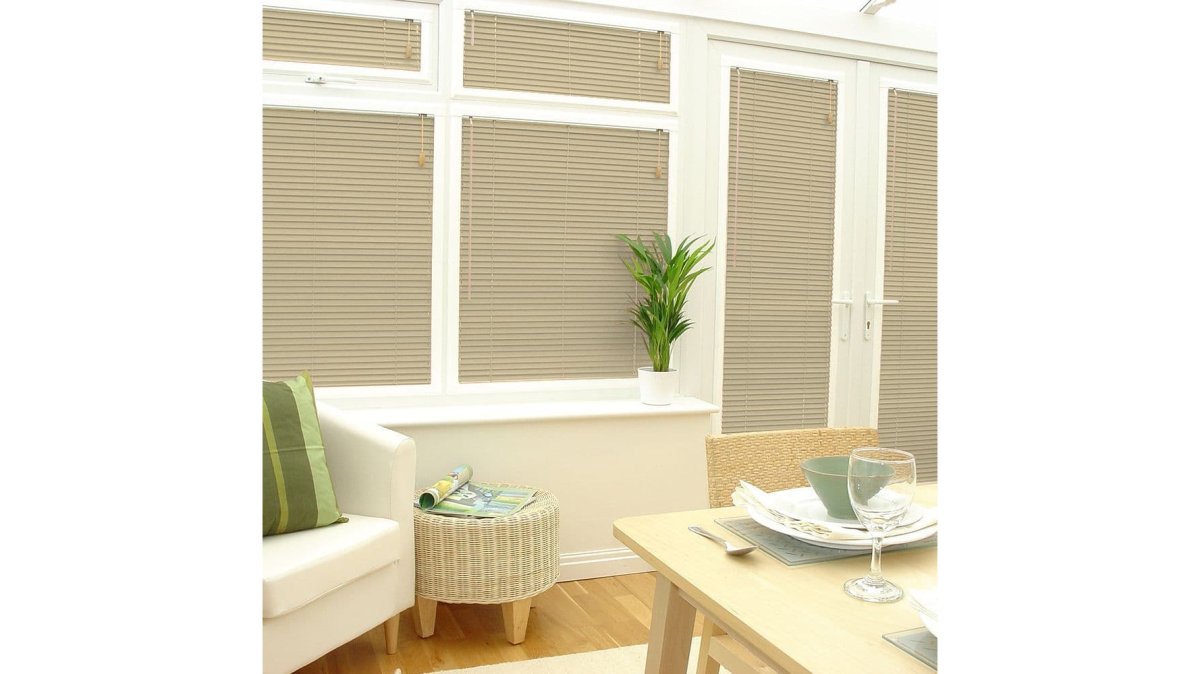
Double glazing is a building project. Thermal blinds are a purchase. That gap in upfront cost is the single biggest reason most households start with blinds. Our made-to-measure Neat Fit Pleated Blind in Infusion Ecru starts at £19.59, and it fits to UPVC windows and doors without screws or tools.

Do Thermal Blinds Work? What the Physics and Testing Show
Thermal blinds work, but the honest answer is that they work as a secondary measure. They slow heat loss at the window rather than eliminating it. The effect comes from the air gap, not from any special coating on the fabric.
A common mistake is buying a thermal blind and hanging it loosely, well away from the glass. That leaves a large convective loop behind the fabric, and much of the benefit disappears. Fit matters more than the label.
Thermal Blinds vs Curtains: Which Retains More Heat?
Thermal blinds vs curtains is a closer contest than most people expect, and the winner depends on fit. A floor-length, well-lined curtain with a pelmet can insulate effectively because it seals the top and sides. An ill-fitting curtain, however, lets warm air escape straight up and behind the fabric.
Blinds hold an advantage in tight spaces and on windows where curtains are impractical, such as doors and bay windows. For a bedroom, a blackout thermal blind also delivers the total darkness that curtains rarely achieve around the edges.
| Option | Heat Retention | Light Control | Best For |
|---|---|---|---|
| Thermal blinds | Good with close fit | Precise, adjustable | Kitchens, bathrooms, doors |
| Lined curtains | Good if floor-length and sealed | Softer, less precise | Living rooms, large windows |
| Blinds plus curtains | Best overall | Maximum flexibility | Cold rooms, north-facing windows |
Thermal Blinds for Double Glazing: Do They Add Anything?
Thermal blinds for double glazing do add something, and it is measurable in comfort rather than in dramatic bill savings. Double glazing already cuts conduction, so the remaining loss is largely radiant and convective. A close-fitting blind addresses exactly that.
The window still feels cold to the touch, but the room feels less draughty. That perceived improvement is real, and it is often what prompts people to add blinds after glazing.
Energy-Efficient Blinds: What to Look For Before You Buy
Energy-efficient blinds share three traits: a close fit, a honeycomb or pleated structure that traps air, and a lining or coating that reduces radiant transfer. Everything else is decoration.
Fabric, Fit and the Details That Decide Performance
Cellular and pleated fabrics trap air in their folds. Side channels and top-down/bottom-up operation reduce the gaps where air escapes. For UPVC windows, a no-drill system such as our Neat Fit range eliminates the drill holes that can compromise a sealed unit, and it slides behind the gasket in seconds.
Neat Fit Pleated Blind – Infusion Ecru →
For a wider window, a made-to-measure blind avoids the light gaps and heat leaks that off-the-shelf sizes create. Our Neat Fit Pleated Blind in Infusion Coffee suits warmer schemes and fits conservatories, porches, bi-fold doors and standard windows, with a minimum width of 20cm.

Room-by-Room: Where Thermal Blinds Make the Biggest Difference
Thermal blinds make the biggest difference in rooms with high heat loss and high use: north-facing bedrooms, kitchens with large glazing, and bathrooms where moisture and cold combine. In a well-insulated, south-facing living room, the gain is smaller.
Rather than guess, work through five variables for each window: humidity, width, sunlight, budget and the look you want. That combination decides both the fabric and the fitting system.
A practical decision matrix
| Window situation | Priority | Sensible choice |
|---|---|---|
| Bathroom or kitchen, high humidity | Moisture resistance | Moisture-resistant faux wood or easy-clean pleated fabric, close-fitted |
| Wide window or patio door | Avoiding sag and light gaps | Made-to-measure with side channels; avoid very wide unsupported slats |
| Strong direct sun | Heat and fading control | Light-coloured or reflective-backed fabric, top-down/bottom-up operation |
| North-facing, cold room | Heat retention | Honeycomb or pleated with a tight air gap to the glass |
| Tight budget, quick fix | Cost per unit of comfort | Off-the-shelf or entry made-to-measure, prioritising fit over fabric |
| Period or heritage look | Appearance | Wood-effect finishes that mimic real wood grain |
Room notes
- Bedrooms: blackout thermal blinds cut both heat loss and light, which helps sleep. A close fit matters more than a premium fabric here.
- Kitchens and bathrooms: moisture-resistant faux wood and easy-clean fabrics hold up where humidity is high. Avoid real wood in these rooms, as it can warp and crack.
- Conservatories: the largest glazed area in most homes, and the biggest single opportunity. Expect to combine blinds with existing glazing rather than replace it.
- Home offices: steady temperature matters more than peak warmth for all-day comfort, so prioritise consistent fit across every window in the room.
- Children and pets: cordless or tensioned systems reduce risk, and wipe-clean fabrics cope better with marks.
Real-world drawbacks to weigh
Blinds are not a magic fix. Heavier slats can sag on very wide windows, and some fabrics discolour with prolonged direct sun. A close fit also means the blind sits near the glass, which can trap condensation on cold mornings if the room is poorly ventilated. Ventilate regularly and choose moisture-resistant options in wet rooms.
If you are unsure where to start, prioritise the coldest room you actually spend time in, and fit the tightest blind that room's window type allows.
Conclusion
Working out whether to invest in glazing or window treatments is a genuine dilemma, and the answer usually sits in the middle. Thermal blinds give you a fast, low-cost improvement you can fit this week, while glazing is a longer-term project. At Just Blinds, we make made-to-measure blinds with free delivery on orders over £175, replacement slats compatible with most rails, and moisture-resistant options built to last. Get started with Just Blinds and fit the right blind to the right window.
Frequently Asked Questions
Are thermal blinds as effective as double glazing?
No. Double glazing works on the whole window because the sealed gap between panes slows heat transfer across the glass. Thermal blinds add an insulating layer at the window, which reduces draughts and radiant heat loss, but they cannot replace the performance of a sealed double-glazed unit. Most homes get the best result by combining both: keep the glazing and add thermal blinds to cut heat loss further and improve comfort near the window.
Do thermal blinds work in summer as well as winter?
They help in both seasons, though the mechanism differs. In winter, the air pocket between the blind and the glass slows heat escaping from the room. In summer, closing thermal blinds during the day blocks solar gain, keeping the room cooler. For south-facing rooms, close the blinds before the sun hits the glass rather than after, since once the room has warmed up, blinds can only slow further heating, not reverse it.
Should I install double glazing or buy thermal blinds first?
If your windows are single-glazed and in poor condition, double glazing is the bigger win. If your windows are already double-glazed and you feel cold near them, thermal blinds are the cheaper, faster upgrade. They also suit rented homes where glazing cannot be changed. Start with the rooms you use most, such as the living room and main bedroom, and add more over time.
Can thermal blinds reduce heat loss through double-glazed windows?
Yes. A double-glazed unit slows heat transfer through the glass, but the frame, seals and edges still lose heat, and cold air falls from the glass into the room. A close-fitting thermal blind creates a still air layer at the window, which reduces that cold draught and the radiant loss from the room. The effect is modest compared with the glazing itself, but noticeable in rooms with large windows.
