
Table of Contents
- Made-to-Measure Blinds: What Determines the Price
- Average Cost of Window Blinds Per Window
- Factors Affecting Blind Prices
- Roller, Venetian and Roman Blind Costs Compared
- How to Measure Windows for Blinds
- Professional Installation vs DIY Costs
- Energy Efficiency and Long-Term Value
- Conclusion
Last Updated: August 26, 2026
Made-to-Measure Blinds: What Determines the Price
Made-to-measure blinds pricing is determined by material choice, installation complexity, fabric specialisation, and the precision required to fit your exact space, not just window dimensions. Understanding these cost drivers helps you make informed decisions without overpaying.
Average Cost of Window Blinds Per Window
Made-to-measure window blinds typically start from around £25-£40 for basic vertical blinds in standard fabrics, though costs vary significantly based on blind type, fabric choice, and window size. For a typical three-bedroom home with standard windows, households spend between £300-£600 on made-to-measure blinds across all rooms, assuming mid-range fabric choices and professional fitting.

Just Blinds offers vertical blinds starting from just £4.92 per louvre for basic fabrics like the Cameo Cream and Cameo White ranges, making them among the most affordable made-to-measure options available. The key is that you're only paying for what you actually need, there's no waste, no standard sizes forcing you to buy larger than necessary. Just Blinds offers free UK delivery on orders over £175, which helps offset regional cost differences.
Factors Affecting Blind Prices
Several distinct factors influence the final price of your made-to-measure blinds.
Blind Type and Material
The type of blind you choose is the primary cost driver. Vertical blinds are typically the most affordable option, followed by roller blinds, then Venetian blinds, and finally Roman blinds at the premium end. Vertical blinds work well for large windows and patio doors because they use less fabric per unit area than other styles.
Roman blinds require precision tailoring and multiple layers of fabric, increasing manufacturing complexity and material cost. Roller blinds fall somewhere in the middle price-wise. Blackout roller blinds cost more than standard roller blinds because the blackout fabric itself is more expensive to source and manufacture.
Venetian blinds have different cost structures depending on material. Aluminium Venetians are generally cheaper than faux wood options. Faux wood blinds offer superior moisture resistance and durability, particularly in kitchens and bathrooms, which justifies their higher price point.
Fabric Quality and Specialisation
Not all fabrics cost the same. Basic flatweave fabrics like those in Just Blinds's Cameo range are among the most affordable options. Specialised fabrics command premium prices: blackout fabrics for nurseries and bedrooms cost more because they require multiple layers and special treatments. Thermal fabrics designed to improve energy efficiency cost more than standard options. Moisture-resistant fabrics for bathrooms and kitchens cost more because they're treated to resist humidity and mildew.
Fabric weight also matters. Heavier fabrics require stronger headrails and support mechanisms, increasing overall blind cost. A lightweight voile fabric costs less than a heavy linen-look material because it places less stress on the mounting hardware.
Installation and Labour Costs
Professional installation adds significantly to the total cost. A typical call-out charge ranges from £50-£150, depending on your location and the number of windows being fitted (which.co.uk). Installation labour typically costs £15-£35 per window for straightforward installations.
Complex installations cost more. Bay windows require custom-shaped blinds and more intricate fitting work. Sloped ceilings, recessed windows, and unusual shapes all add to labour costs. Some customers choose DIY installation to save on labour costs, though this works best for straightforward windows.
Just Blinds supplies made-to-measure blinds nationwide with free delivery on orders over £175. Professional fitting services are available in selected regions, particularly across the North West.
Roller, Venetian and Roman Blind Costs Compared
Roller blinds are the most straightforward to manufacture. A made-to-measure roller blind in standard fabric typically costs £40-£80 depending on window size. Blackout roller blinds cost £60-£120. Motorised roller blinds add £80-£150 to the base price.
Venetian blinds offer more design flexibility. Aluminium Venetians typically cost £50-£100 for a standard window, while faux wood Venetians cost £80-£150. Motorised Venetians add £100-£200 to the base price. The advantage of Venetians is their adjustability, you can control light levels precisely by tilting the slats.
Roman blinds are the premium option. A made-to-measure Roman blind in basic fabric costs £80-£150 for a standard window. Premium fabrics push this to £150-£250. Roman blinds require more fabric and more complex tailoring, which explains the higher price.
The choice between these three often comes down to room function and aesthetic preference rather than pure cost. A kitchen benefits from easy-clean Venetian blinds. A bedroom benefits from blackout roller blinds or Roman blinds. A living room often looks best with Roman blinds or motorised Venetians.
How to Measure Windows for Blinds
Accurate window measurement is critical because made-to-measure blinds are manufactured to your exact specifications. A measurement error of just 5mm can result in gaps or fitting problems (bsi.org).
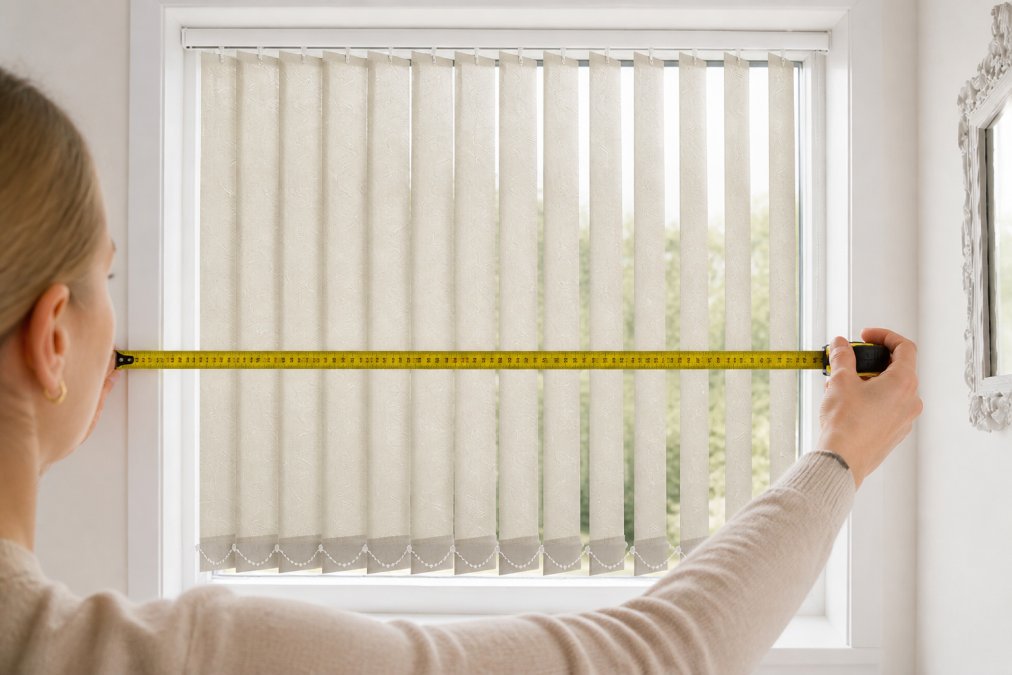
Measure the width of your window in three places: top, middle, and bottom. Use the smallest measurement as your width dimension, ensuring the blind will fit without gaps. Measure the drop (height) in three places as well: left side, middle, and right side. Again, use the smallest measurement.
Decide whether you want a recess fit (blind sits inside the window frame) or a face fit (blind sits on the wall outside the frame). Recess fits look neater but require precise measurements. Face fits are more forgiving and work better for windows with deep frames or awkward shapes.
For bay windows, measure each section separately. Don't try to fit a single blind across a bay; measure the width of each angled section and order separate blinds for each one. Use a metal tape measure rather than a cloth one, metal tape is more accurate and won't stretch. Double-check each measurement before ordering.
Just Blinds provides detailed measurement guides for each blind type, and their team can answer specific questions about measuring unusual window shapes.
Professional Installation vs DIY Costs
The decision between professional installation and DIY fitting affects your total cost significantly, but it's also about complexity and risk.
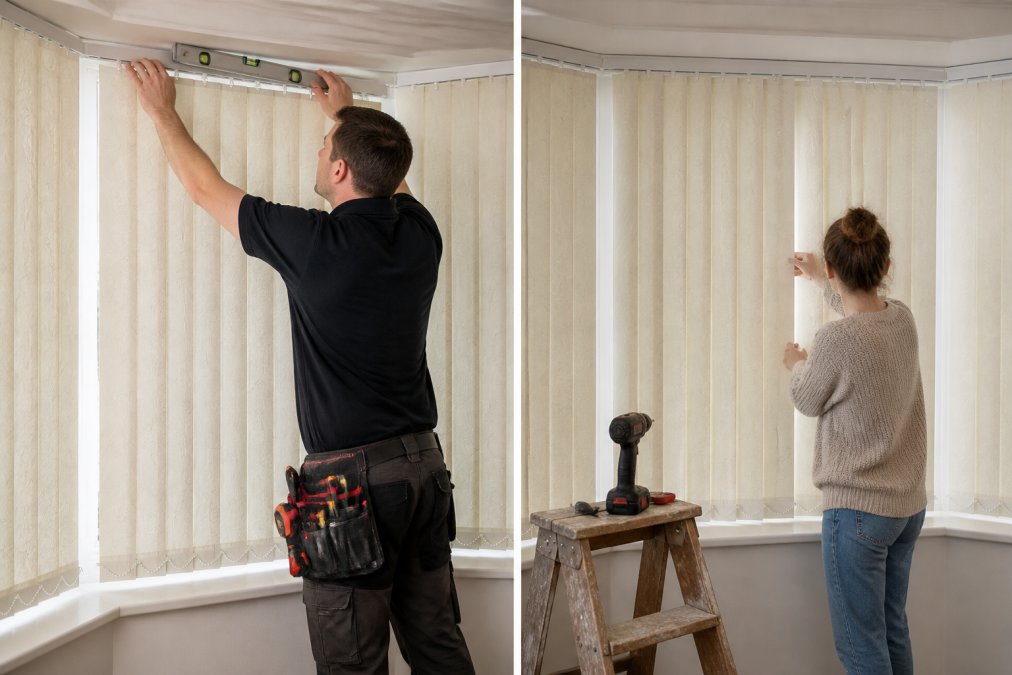
DIY installation saves £50-£150 in labour costs. For straightforward rectangular windows with standard blinds, DIY fitting is relatively straightforward and typically takes 30-60 minutes per window. The risk lies in getting it wrong, poorly fitted blinds can fail prematurely. Headrails that aren't level cause the blind to bind or operate unevenly. A failed installation might cost £100-£200 to fix, negating any labour savings.
Professional installation costs £50-£150 per visit plus £15-£35 per window. For a three-bedroom home with six windows, professional fitting typically costs £200-£400. This comes with guarantees, a professional fitter will ensure your blinds are level, secure, and operating smoothly. Most professional fitters offer a warranty on their work.
The complexity of your windows determines whether professional fitting is worthwhile. Standard rectangular windows in straightforward locations are relatively safe for DIY fitting. Bay windows, sloped ceilings, large windows, and heavy blinds are better left to professionals. Just Blinds supplies made-to-measure blinds designed for both DIY and professional fitting, with detailed guides to help DIY customers succeed.
Energy Efficiency and Long-Term Value
The initial cost of made-to-measure blinds is just one part of the financial picture. Energy efficiency and durability affect long-term value significantly.
Thermal blinds designed to improve insulation cost 20-40% more than standard options but reduce heat loss through windows, lowering heating costs (energysavingtrust.org.uk). In winter, thermal blinds keep warm air inside. In summer, blackout blinds prevent solar heat gain, reducing cooling costs. The energy savings accumulate over years, potentially offsetting the higher initial cost.
Motorised blinds cost more than manual ones but offer convenience and can improve energy efficiency through automated scheduling. Blinds that close automatically at dusk and open at dawn optimise natural light use and reduce artificial lighting needs.
Durability affects long-term value. Quality blinds that last 10+ years cost less per year of use than cheaper blinds that fail within 2-3 years. Faux wood blinds cost more than fabric blinds but resist moisture and warping better, making them more durable in kitchens and bathrooms. Just Blinds manufactures blinds with high-quality powder-coated aluminium headrails and sewn louvres rather than glued ones, which improves durability. Replacement blind slats compatible with most existing rails extend the life of your blind system.
Consider the total cost of ownership, not just the purchase price. A made-to-measure blind that costs £80 initially but lasts 12 years costs less than £7 per year. A cheaper blind at £40 that fails after 3 years costs £13 per year.
Made-to-measure blinds represent a significant investment in your home's comfort, privacy, and aesthetics. The price you pay reflects the precision manufacturing, material quality, and professional fitting that goes into creating blinds that fit your exact space perfectly. Just Blinds offers affordable made-to-measure options starting from £4.92 per louvre, with free UK delivery on orders over £175, making quality window treatments accessible without compromise. Understanding what drives pricing helps you make decisions that deliver genuine value for your home.
===
Frequently Asked Questions
Q: How much should made-to-measure blinds cost in 2026?
A: Made-to-measure blind costs vary widely depending on window size, blind type, and material. Vertical blinds start from around £4.92 per louvre for basic fabrics, while larger windows or specialist options like blackout or motorised blinds cost more. A typical single window might range from £30 to £150+ depending on width and drop. Request a personalised quote based on your exact measurements for accurate pricing.
Q: What factors affect the price of made-to-measure blinds most?
A: The main cost drivers are window dimensions (larger windows need more fabric and components), blind type (roller, Venetian, Roman), fabric choice (blackout, thermal, standard), and control mechanism (manual, motorised, or smart integration). Professional fitting adds labour costs, typically £30-£75 per window. Specialist features like child-safe cordless systems and thermal efficiency also increase price.
Q: Are made-to-measure blinds worth the extra cost compared to ready-made?
A: Yes, made-to-measure blinds offer a precise fit that eliminates gaps and light leakage, especially important for bedrooms and nurseries. They fit bay windows and awkward spaces where standard blinds fail. The durability of quality components like powder-coated aluminium headrails and sewn louvres means they last longer, reducing replacement costs. For most homes, the investment pays off through better light control and longevity.
Q: Should I include professional installation in my budget?
A: Professional fitting ensures proper alignment, secure mounting, and correct operation, particularly valuable for large windows, bay windows, or motorised systems. Installation typically costs £30-£75 per window. DIY installation saves this cost but requires confidence with measurements and tools. If your windows are complex or you want guaranteed results, professional fitting is worth the investment.
Q: How much more do motorised or electric blinds cost?
A: Motorised blinds cost significantly more than manual options, typically 50-100% extra depending on the system. Smart home integration adds further cost but offers convenience and energy savings through automated scheduling. For budget-conscious buyers, manual control is adequate; for larger windows or multiple rooms, motorisation can justify the expense through improved usability.
Q: Can I return or exchange made-to-measure blinds if I measure wrong?
A: Return policies vary by supplier. Many offer exchanges within a set period if measurements are incorrect, though you may incur restocking or remeasuring fees. Always double-check your measurements before ordering, and consider requesting a measurement verification service if available. Keep all packaging and documentation in case you need to arrange a return.
This article was written using GrandRanker
